Exploring the Supply Chain Benefits of AS9100 Certified Machining
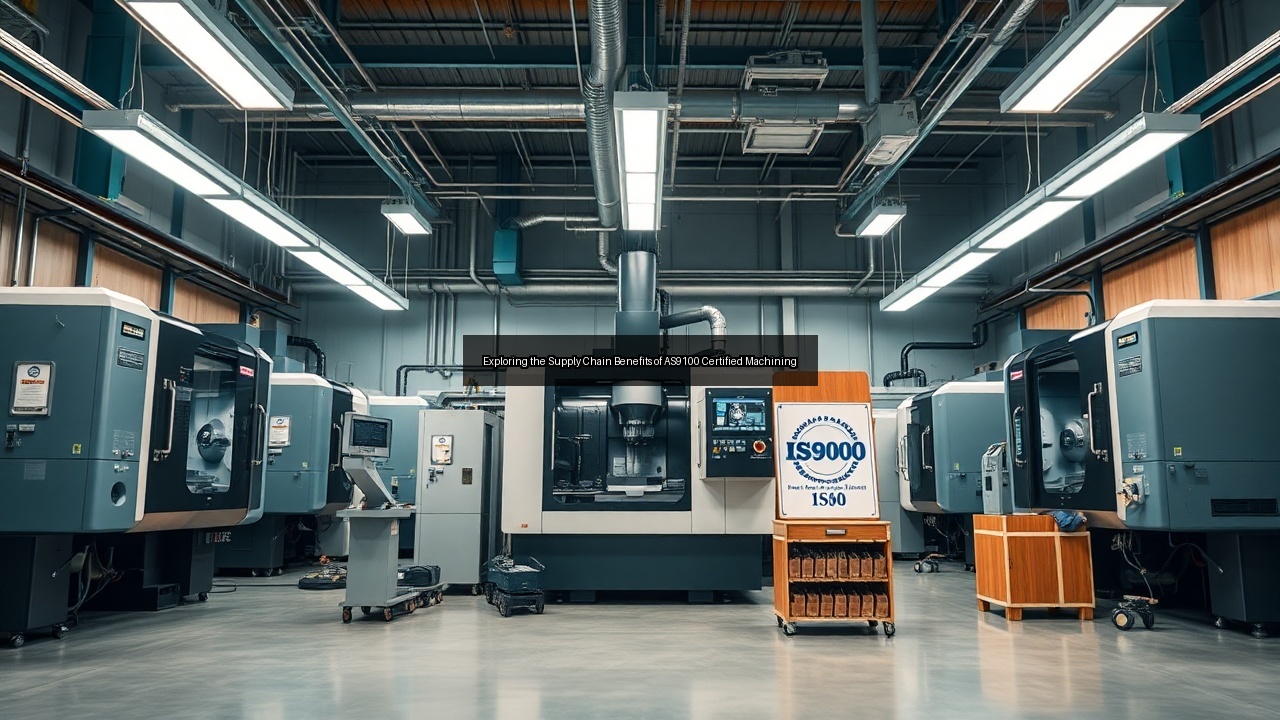
The Importance of AS9100 Certification in Aerospace Machining
Understanding AS9100 and Its Relevance to Aerospace
AS9100 certification stands as a cornerstone in the aerospace industry, specifically tailored to meet the rigorous demands of aerospace quality management systems. This standard, developed by the International Aerospace Quality Group (IAQG), builds upon the foundations laid by ISO 9001 while adding specific requirements that cater to the unique challenges faced by the aerospace sector. Certified AS9100 machining ensures that companies meet stringent quality standards, focusing on safety, reliability, and performance—all critical elements in aerospace applications. This certification not only enhances a company's credibility but also reassures customers of the high quality and safety of the products they receive. Understanding AS9100 is essential for manufacturers aiming to compete effectively in the global aerospace market.
Key Differences Between AS9100 and ISO 9001
While AS9100 draws heavily from ISO 9001, significant differences exist that make AS9100 more suitable for aerospace manufacturing. ISO 9001 provides a general framework for quality management applicable across various industries, focusing primarily on customer satisfaction and continuous improvement. In contrast, AS9100 integrates additional elements such as risk management, configuration management, and product safety, which are crucial in aerospace operations. Furthermore, AS9100 emphasizes supplier management and traceability, ensuring that every component meets industry standards. This heightened focus on quality and risk in AS9100 offers manufacturers a competitive edge, making their certified AS9100 machining processes more robust and reliable.
Benefits of AS9100 Certification for Manufacturing Companies
Achieving AS9100 certification presents numerous advantages for manufacturing companies in the aerospace sector. First and foremost, it enhances the company's reputation, signaling to customers and partners a commitment to quality and reliability. This certification often leads to an expanded customer base, as many aerospace firms insist on AS9100 certification from their suppliers. Additionally, AS9100 fosters a culture of continuous improvement, prompting companies to regularly assess and refine their processes. This proactive approach not only boosts efficiency but also mitigates risks associated with non-compliance and quality failures. Overall, AS9100 certified machining becomes a strategic asset, driving growth and innovation in the competitive aerospace industry.
Enhancing Supply Chain Efficiency Through AS9100 Certified Machining
Streamlining Processes with AS9100 Standards
AS9100 certification significantly streamlines processes within aerospace manufacturing, directly impacting supply chain efficiency. By adhering to AS9100 standards, companies implement structured procedures that optimize workflow and minimize waste. This structured approach ensures that every phase of production, from design to delivery, meets predefined quality metrics. The focus on process consistency and documentation facilitates smoother collaboration among suppliers and manufacturers, creating a more cohesive supply chain. Moreover, the emphasis on continuous improvement leads to the identification and elimination of bottlenecks, further enhancing operational efficiency. As a result, companies can respond more swiftly to customer demands while maintaining high quality, ultimately fostering a more agile supply chain.
Risk Management in Aerospace Manufacturing Supply Chains
Effective risk management is paramount in aerospace manufacturing, where safety and compliance are non-negotiable. AS9100 certification integrates comprehensive risk management strategies that help companies identify potential risks throughout the supply chain. By conducting thorough assessments, certified AS9100 machining services can proactively address vulnerabilities, whether they stem from material sourcing, production processes, or supplier reliability. This proactive stance not only safeguards against costly disruptions but also ensures that all components meet stringent industry standards. By managing risks effectively, companies enhance their operational resilience, ensuring that they can navigate challenges without compromising quality or safety. Ultimately, the integration of risk management into the supply chain fosters trust among customers and partners.
The Role of CNC Machining in Delivering Certified Quality
CNC machining plays a critical role in delivering the precision and quality required for AS9100 certified processes. This technology allows manufacturers to achieve tight tolerances and replicate complex geometries consistently, which is crucial in the aerospace industry where even minor deviations can lead to significant safety risks. CNC machines utilize computer-controlled systems to execute machining operations with remarkable accuracy, making them indispensable for the production of aerospace components. Furthermore, the integration of CNC machining with AS9100 standards ensures that every part produced adheres to the strict guidelines set forth by the certification. This synergy not only enhances product quality but also streamlines production timelines, further benefiting supply chain dynamics.
Materials and Machining Techniques for AS9100 Compliance
Using Aluminum, Copper, and Plastics in Certified Machining
The aerospace industry frequently utilizes materials such as aluminum, copper, and various plastics in AS9100 certified machining. Aluminum, known for its lightweight and strength, is ideal for aircraft components, while copper is often used for electrical applications due to its excellent conductivity. Plastics, specifically engineered for aerospace applications, provide additional benefits such as corrosion resistance and reduced weight. Each material demands specific machining techniques to ensure compliance with AS9100 standards. Understanding the properties of these materials allows manufacturers to select appropriate machining processes that enhance performance and reliability. By using certified machining services that specialize in these materials, companies can achieve compliance while meeting the exacting standards of the aerospace sector.
CNC Milling: Precision and Tolerances for Aerospace Applications
CNC milling stands out as a vital technique in AS9100 certified machining, providing the precision needed for aerospace applications. This process involves the use of computer-controlled tools to remove material from a workpiece, creating intricate shapes and maintaining tight tolerances that are essential in aerospace components. The ability to produce parts with high accuracy enhances as9100 cnc machined not only the functionality of the components but also their safety and reliability. Adhering to AS9100 standards during CNC milling ensures that every aspect of the machining process is documented and traceable, offering transparency and accountability. This meticulous approach solidifies the confidence of customers in the quality of the final products, reinforcing the importance of CNC machining in certified aerospace manufacturing.
Prototyping and Its Impact on Supply Chain Dynamics
Prototyping serves as a critical phase in the development of aerospace components, particularly in the context of AS9100 certified machining. This stage allows manufacturers to test and validate designs before full-scale production, significantly impacting supply chain dynamics. By identifying potential issues early in the process, companies can make necessary adjustments, thus reducing the risk of costly errors later on. Prototyping also facilitates better communication among stakeholders, ensuring that everyone is aligned on specifications and quality expectations. Furthermore, the insights gained from prototyping can lead to improvements in machining techniques and material selection, ultimately enhancing overall supply chain efficiency. Embracing prototyping within the framework of AS9100 certification fosters a culture of innovation and quality that benefits the entire aerospace industry.
Cultural and Operational Impacts of AS9100 Certification
Building a Quality-Focused Culture in Aerospace Companies
AS9100 certification instills a quality-focused culture within aerospace companies, emphasizing the importance of quality at every organizational level. This cultural shift encourages employees to take ownership of their roles in maintaining compliance with established standards. Training and continuous education become integral components of this culture, ensuring that all team members understand the significance of quality management and its impact on safety and performance. A quality-focused culture not only enhances employee engagement but also fosters collaboration, as team members work together to achieve common goals. This collective commitment to quality ultimately translates into superior products and services, reinforcing the company's position in the competitive aerospace landscape.
Management Strategies for Maintaining AS9100 Standards
Effective management strategies play a pivotal role in maintaining AS9100 standards within aerospace manufacturing companies. Leadership must prioritize quality management by integrating it into the company's overall strategic objectives. Regular audits and assessments should be conducted to ensure compliance with AS9100 requirements, while feedback loops allow for continuous improvement based on performance evaluations. Additionally, fostering open communication and collaboration across departments encourages a unified approach to quality management. By leveraging data analytics and performance metrics, management can identify trends and areas for improvement, ensuring that AS9100 certification remains a dynamic part of the organization's operational framework. These proactive management strategies not only sustain compliance but also drive innovation and excellence.
Case Study: AIP Precision Machining and Its Certification Journey
AIP Precision Machining exemplifies the transformative power of AS9100 certification in the aerospace sector. Located in Michigan, this company embarked on its certification journey to enhance its competitive edge in the aerospace industry. Through a dedicated commitment to quality, AIP implemented rigorous quality management practices that aligned with AS9100 standards. The company focused on training its workforce and optimizing its machining processes, which led to significant improvements in efficiency and product quality. As a result, AIP not only achieved AS9100 certification but also strengthened its relationships with customers who value high-quality, reliable aerospace components. This case study illustrates how AS9100 certification can serve as a catalyst for growth, innovation, and enhanced supply chain performance in the aerospace manufacturing landscape.